Chromium Methionine Chelate
Chromium is a trace element important to physiological function in both animals and humans. Methionine is chromium's natural ligand, so chromium methionine crosses the intestinal cell membrane via the amino-acid transport pathway and is metabolized directly without extra digestion — a key functional feed additive in modern livestock production.
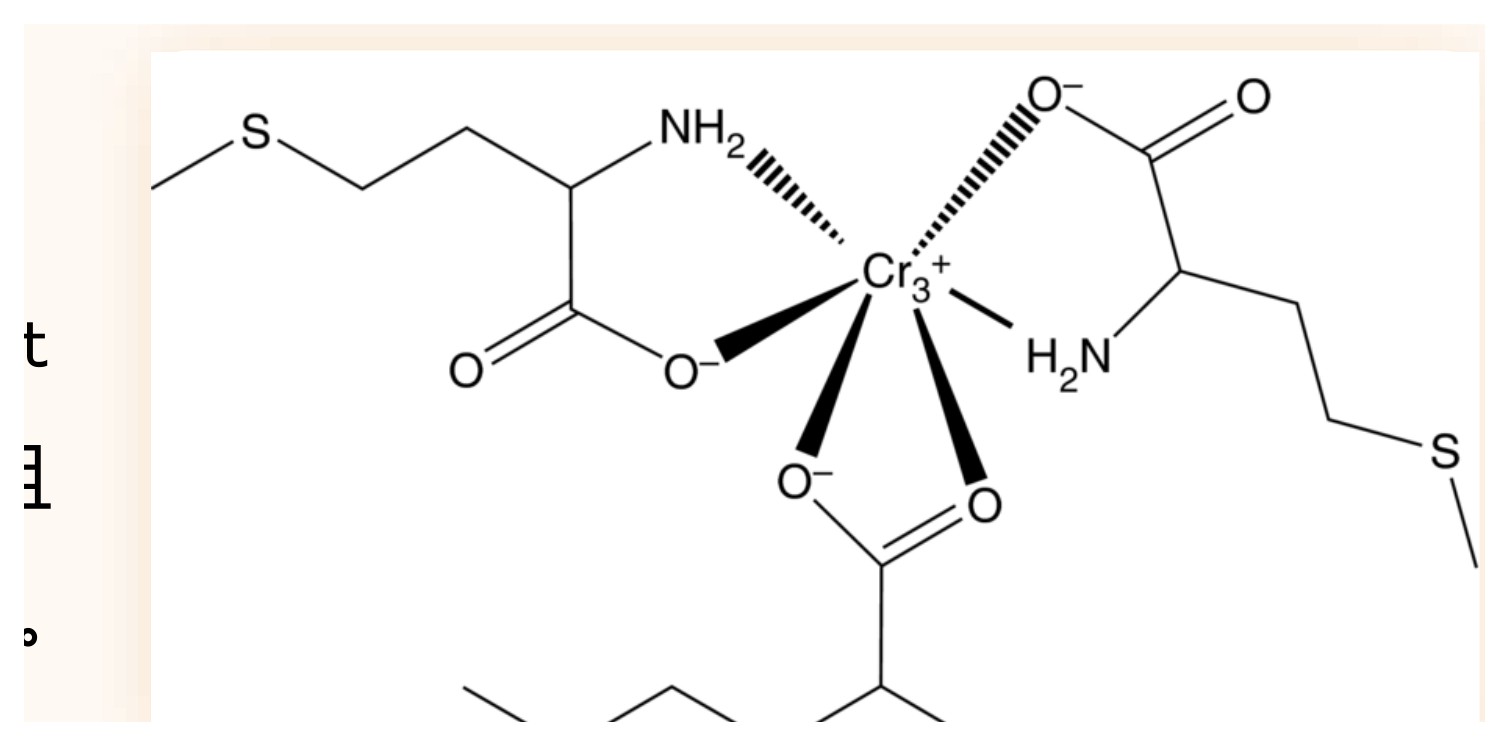
Organic chromium is absorbed more readily than inorganic chromium, with a wide safety margin and no obvious toxicity, and is now the market-preferred form. Chromium methionine limits chromium's binding with certain organic groups in circulation and tissue, helping preserve the biological activity of both chromium and methionine.
Multiple studies indicate that for growth performance and meat quality, chromium methionine outperforms chromium picolinate, yeast chromium, and inorganic chromic oxide.
| Item | Control | Cr₂O₃ | CrPic | CrMet |
|---|---|---|---|---|
| Final weight (g) | 91.00 | 90.01 | 101.35 | 104.88 |
| Weight gain rate (%) | 124.70 | 146.05 | 157.92 | 174.44 |
| Specific growth rate (%/d) | 1.35 | 1.50 | 1.58 | 1.68 |
| Feed efficiency | 0.48 | 0.54 | 0.60 | 0.67 |
| Protein efficiency ratio | 1.63 | 1.82 | 2.04 | 2.26 |
Note: data cited from published literature to illustrate the relative performance of chromium sources; actual inclusion should follow the specific diet formulation and regulatory requirements.
Multiple studies on chromium methionine in growing-finishing pig diets report that, as dietary Cr increases, average daily gain (ADG) and feed intake rise linearly while the feed-to-gain ratio (F/G) falls, with larger loin muscle area, thinner backfat, and improved meat colour and water-holding capacity. A meta-analysis of 35 studies covering 4,366 pigs further found that organic chromium increased ADG, carcass lean ratio, and loin muscle area in growing-finishing pigs.
Supplementing chromium methionine to transition-period and early-lactation dairy cows increased milk, fat, and lactose yields in a linear or quadratic manner with dose, while lowering serum cortisol and improving antioxidant and metabolic status. Supplementation during the transition period helps ease stress and maintain feed intake and milk performance.
The findings above are cited from published literature for technical reference; actual results vary with breed, diet, and management.